
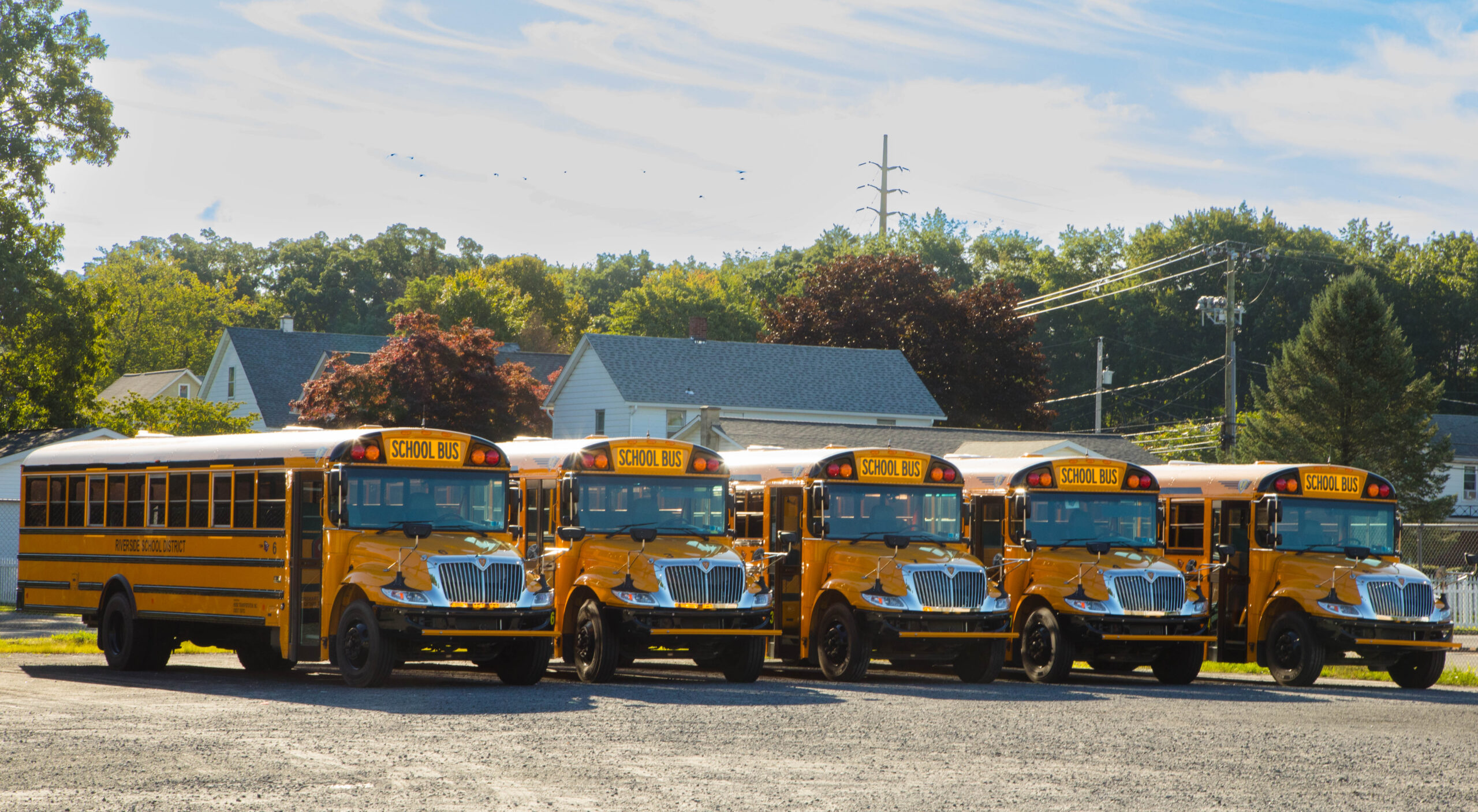
For many family-owned student transportation companies, their business is more than a livelihood. It’s legacy.
Many of these businesses were built over decades, starting with one or two buses and growing through strong relationships with local school districts. Along the way, family members played key roles: dispatching routes, managing drivers, and keeping operations running day and night. Over time, these operators became trusted partners in their communities, helping ensure students arrive safely at school every day.
Because of that deep personal connection, thinking about succession can feel uncomfortable. But as the student transportation industry faces rising costs, labor shortages, aging fleets, and increasing operational complexity, long-term planning has become more important than ever.
This challenge isn’t unique to the student transportation industry. It’s a longstanding reality across family-owned businesses. Succession planning remains one of the most difficult hurdles to navigate. Research shows that only about 30% of family-owned businesses successfully transition to the second generation, roughly 12–13% reach the third generation, and just 3% survive to the fourth.
Those numbers don’t reflect a lack of hard work or commitment. More often, they reflect how difficult it can be to plan for leadership transitions while running a demanding business day to day.
Why Many Operators Delay Succession Planning
Most student transportation operators understand that succession planning is important, but they still delay starting the process for a few common reasons.
1. The Day-to-Day Demands of Running the Business
Running a student transportation company requires constant attention-managing drivers, maintaining fleets, responding to district needs, and handling compliance requirements. Long-term planning often falls behind more immediate operational priorities. When every day brings new challenges, it’s easy for something like succession planning to feel less urgent, even if it’s important.
2. Uncertainty About Family Interest
In family-owned companies, the next generation may not always want to take over the business. Owners sometimes avoid planning because they aren’t sure whether their children or relatives are interested in leading the company. Rather than forcing the conversation, it often gets postponed, leaving the future direction of the business unclear.
3. “I’m Not Ready to Retire Yet”
This is often the most difficult and emotional reason operators delay succession conversations. For many owners, the business represents years, sometimes decades, of hard work, sacrifice, and pride. It’s something they’ve poured their heart and soul into building, and the idea of stepping back can feel like letting go of an identity. Because of that, succession planning can understandably get pushed to “someday,” which often turns into years.

What Happens When Planning Is Delayed
While it’s understandable why planning gets postponed, delaying succession planning can create serious challenges. Even for operators who aren’t planning to sell anytime soon, unforeseen circumstances can force decisions earlier than expected, whether that means stepping back, partnering, or pursuing a sale.
Being perpetually “exit-ready” is simply smart business, and succession planning plays a key role in protecting and strengthening any company.
1. Loss of Business Value
Without a transition plan, buyers or partners may view the company as overly dependent on the owner. In many cases, businesses that rely heavily on a single individual can see their valuation discounted by 20–50% compared to companies with transferable leadership and systems. If key relationships, operational knowledge, or financial oversight are tied to one person, it can reduce the company’s long-term value and limit flexibility when important decisions need to be made.
2. Operational Disruption
Without preparation, the business may struggle to maintain stability during leadership changes. In many family-owned student transportation companies, day-to-day operations rely heavily on the owner, whether that’s managing district relationships, handling driver issues, overseeing maintenance decisions, or stepping in when something goes wrong. When that leadership is suddenly unavailable, even temporarily, it can create confusion across the organization. Routes may be harder to coordinate, communication with school partners can break down, and small operational issues can escalate quickly.
Without clearly defined roles, documented processes, and a trained second layer of leadership, the business becomes more reactive when steadiness is most needed. For school districts and families who rely on consistency and reliability, that disruption can impact trust as well. Succession planning helps ensure that leadership transitions, planned or unplanned, don’t interrupt the service that communities depend on every day.
3. Missed Opportunities for Growth
Strategic planning allows operators to invest in fleet modernization, safety initiatives, driver development, and operational systems that strengthen the business over time. Without a clear long-term roadmap, these investments often get pushed aside in favor of more immediate needs. As a result, businesses may hold off on upgrading aging fleets, delay adopting technology that improves routing and efficiency, or miss opportunities to strengthen driver recruitment and retention. Over time, this can make it harder to compete for new contracts, maintain margins, or meet the evolving expectations of school districts.
Succession planning helps shift the focus from short-term problem solving to long-term value creation, positioning the business to grow, adapt, and stay competitive in a changing industry.
How to Start the Succession Planning Process
The good news is that succession planning doesn’t have to be complicated. It simply starts with a few intentional steps.
1. Begin the Conversation Early
Talk with family members, leadership teams, or trusted advisors about the future of the business. Understanding everyone’s goals and expectations helps clarify potential paths forward.
2. Document Key Processes
Many family-run transportation companies rely on knowledge held by the owner. Documenting operational procedures, district relationships, and financial processes ensures the business can run smoothly regardless of leadership transitions.
3. Strengthen the Business Beyond the Owner
If family members or internal team members may eventually lead the company, begin gradually involving them in decision-making, district relationships, and financial oversight. At the same time, look for areas where the business is overly dependent on one person. This could include key customer relationships, financial oversight, or operational decision-making. Building a leadership team, formalizing roles, and creating accountability systems makes the business more stable and more valuable.
4. Get a Baseline Business Valuation
Understanding what the business is worth today provides a starting point for planning. A valuation helps identify key drivers of value such as contract stability, fleet condition, margins, and leadership depth and highlights areas that can be improved over time. Even if a sale isn’t planned, it creates clarity around what’s been built and where to focus next.
5. Explore Strategic Partnerships
For some operators, succession may involve partnerships with organizations that provide operational support, technology investments, and capital for fleet improvements while preserving their legacy.
A Partner for the Road Ahead
Done well, succession planning protects the founder’s legacy, carrying it into the future with strength and stability.
Today’s student transportation industry brings a new level of complexity. Rising costs, driver shortages, and operational demands require strategic leadership and long-term planning to ensure businesses remain strong for the next generation.
At American Student Transportation Partners (ASTP), we work alongside family-owned operators who care deeply about their communities and the students they serve. Whether the goal is growth, operational support, or exploring future transition options, our focus is on helping operators navigate these decisions with clarity and confidence. The businesses that serve our schools today were built through decades of hard work and commitment. With thoughtful planning and the right partnerships, they can continue serving communities for many years to come.
If you’re beginning to think about the future of your transportation business, we’re here to help guide the conversation. Reach out if you’d like to learn more about how ASTP is driving the future of student transportation.