
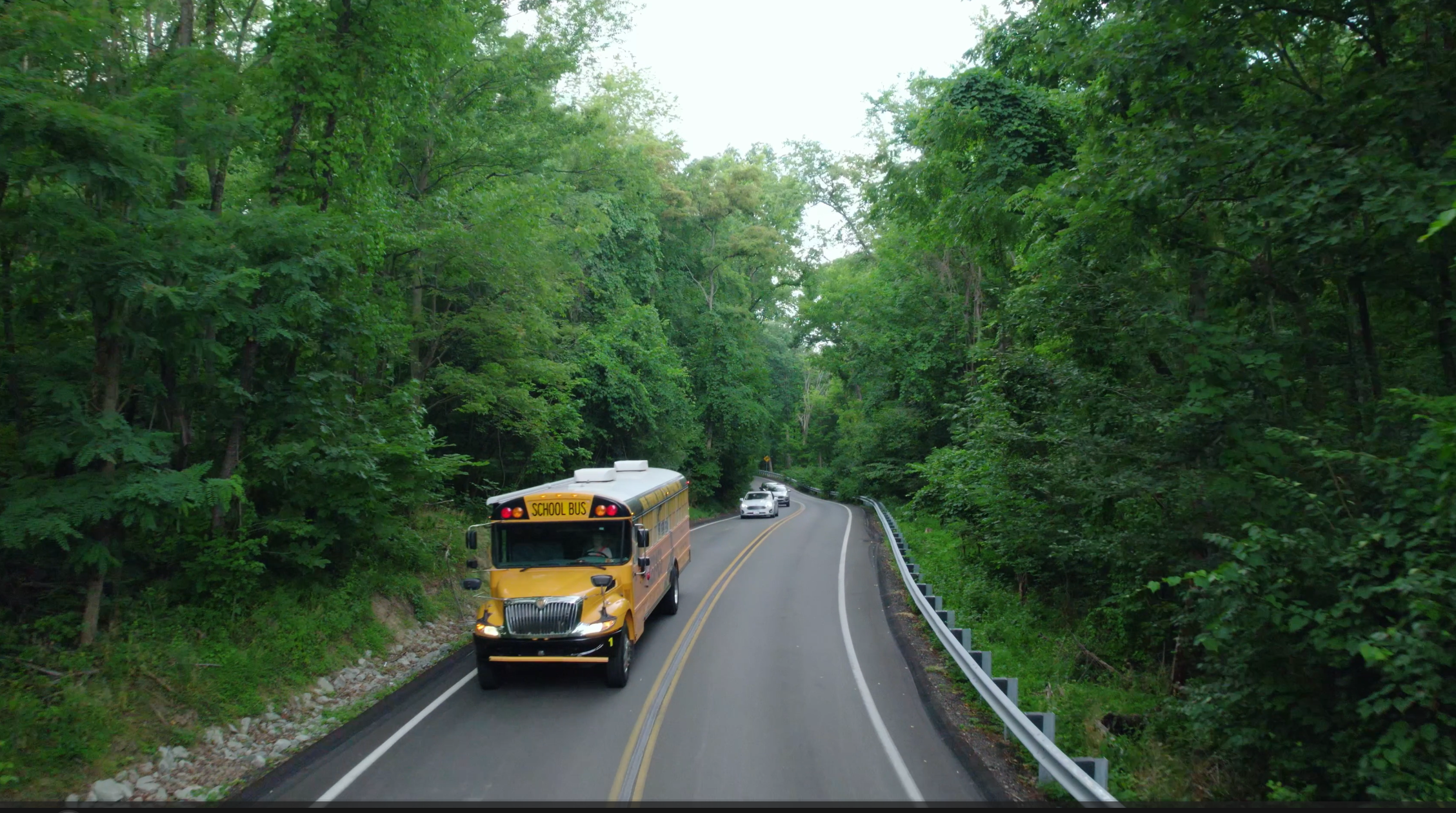
When growth, pressure, and long-term vision require more than going it alone.
For many independent school transportation operators, ownership is deeply personal. It represents years of early mornings, hard decisions, loyal drivers, and trusted relationships with districts and families.
Today’s student transportation environment is not quite the same as the one many operators built their businesses in.
Fleet costs are rising. Insurance markets are tightening and costs are increasing. Driver shortages persist. Technology expectations are higher. Compliance standards are more complex. And districts expect more transparency and performance data than ever before.
At some point, the question is no longer simply, “Can we operate well?” It’s, “Can we sustain this long-term without additional capital and infrastructure?”
Here are some signs that an independent student transportation contractor may need to consider exploring a partnership.
Fleet Replacement Is Becoming Increasingly Difficult
The price of a new school bus has climbed well into six figures in many cases. Lead times from purchase to delivery remain extended. Financing costs fluctuate. And at the same time, maintenance inflation on existing vehicles compounds annually.
When aging buses require expanded credit lines, extended personal guarantees, or delayed upgrades, the strain on the business only increases. The right partnership unlocks capital access, purchasing scale, and disciplined long-term fleet planning, transforming fleet replacement from a reactive necessity into a strategic advantage that strengthens reliability, reputation, and long-term growth.
Maintenance Is More Reactive Than Proactive
As fleets age, expensive unscheduled repairs become more common. A breakdown here and there may feel manageable, but when downtime increases, reliability suffers, and margins quietly erode.
Operators sometimes know what should be implemented: structured preventive schedules, real-time diagnostics, telematics, and predictive maintenance tools. But the challenge is investing in and managing those systems consistently.
If maintenance is increasingly about responding to failures rather than preventing them, broader infrastructure may be necessary to restore stability.
Insurance and Compliance Pressures Are Growing
Insurance premiums across student transportation have continued to rise sharply in recent years. Underwriters are scrutinizing safety programs, training documentation, and loss history more aggressively.
When insurance renewals become unpredictable, compliance demands consume more of your team’s time, or overall risk exposure continues to rise, the strain on a smaller operation can escalate quickly. Partnering with an organization that offers centralized safety oversight, standardized compliance systems, and established insurance relationships can bring stability to premiums, simplify reporting requirements, and significantly reduce administrative burden allowing you to focus on running the business, not managing risk.
Driver Recruitment and Retention Are Constant Challenges
Driver shortages remain one of the most persistent pressures in student transportation.
When recruiting requires constant advertising and referral incentives, overtime is filling structural gaps, and a single call-out disrupts service, operational pressure can escalate quickly. Retention is equally critical high turnover drives up training costs, strains team morale, and erodes service consistency. A stronger workforce strategy not only stabilizes staffing but protects reliability, culture, and long-term performance.
Partnership can provide structured recruitment systems, training programs, engagement initiatives, and broader workforce support that are difficult for smaller operators to build independently.
Administrative Complexity Is Crowding Out Strategic Leadership
In many independent operations, the owner wears multiple hats:
- Executive
- HR lead
- Safety officer
- Finance manager
- Compliance coordinator
- Technology implementer
As expectations increase from districts and regulators, the administrative load expands. Over time, this can pull leadership away from growth initiatives, district relationship building, and long-term planning.
A centralized back-office infrastructure can absorb these burdens while preserving local operational leadership.
Margins Are Tight Despite Strong Route Performance
An operator may be running every contracted route successfully; on time, safely, and reliably yet profitability feels thinner each year.
Why?
Fuel volatility. Wage inflation. Insurance pressure. Maintenance inflation. Technology upgrades. Regulatory compliance costs.
When revenue holds steady, but net margins compress year after year, the issue often lies beneath the surface. Greater scale efficiencies and deeper financial benchmarking can uncover hidden inefficiencies, unlock operating leverage, and restore sustainable profitability.
Technology Expectations Are Outpacing Infrastructure
Districts increasingly expect:
- Real-time GPS tracking
- Route optimization
- Parent communication tools
- Camera systems
- Data reporting dashboards
- KPI transparency
These systems improve safety and service, but they require capital, integration, training, and ongoing oversight.
When technology upgrades feel necessary but overwhelming, the right partnership can accelerate modernization without the burden of starting from scratch. By aligning with an organization that has already built, tested, and deployed scalable systems, you can move forward with confidence, improving efficiency, visibility, and service quality while reducing implementation risk.

Growth Opportunities Feel Risky Instead of Exciting
Winning new business should feel like forward momentum. But growth without infrastructure can create operational stress:
- Additional fleet demands
- Increased driver hiring
- Expanded compliance obligations
- Larger insurance exposure
- Greater capital requirements
When expansion feels more like a risk calculation than a strategic opportunity, the right partnership can shift the equation. Access to capital and centralized systems creates the foundation for disciplined, responsible growth, allowing you to pursue opportunity with confidence rather than caution.
Succession Is Uncertain
For many owners, the most difficult question is not operational. It is personal.
Is there a clear next generation prepared and willing to lead? If so, do they want the full burden of ownership in today’s regulatory and financial climate?
Waiting too long to address succession can limit options when it comes time to retire. Proactively exploring the right partnership allows owners to structure a transition on their terms, preserving legacy, protecting culture, and sustaining community impact while safeguarding the value they’ve worked hard to build.
Partnership Is a Strategic Decision, Not a Distress Signal
Exploring partnership does not mean the business is failing. In fact, the strongest operators often begin conversations from a position of stability. They recognize industry consolidation trends, long-term cost pressures, and evolving expectations, and they act early to preserve strength.
ASTP partners with operators who want to:
- Preserve local leadership and community relationships
- Strengthen capital access and fleet modernization
- Improve maintenance and safety systems
- Stabilize insurance and compliance infrastructure
- Prepare thoughtfully for long-term succession
If several of these signs resonate, it may be time to start a conversation, not because something is wrong, but because protecting and strengthening what you’ve built may require more than going it alone.
Contact Us
American Student Transportation Partners is a national network of trusted transportation operators ensuring access to education through safe, reliable student transportation programs. Exceptional bus operators choose ASTP because of our innovative approach to partnership, as well as the resources we provide to help “future-proof” their operations.
Contact ASTP today to learn how we can support your school district’s transportation needs.